

Gas Safety Inspection Milton Keynes
The gas safety inspection at Milton Keys is a test of your home's gas appliances and flues. The assessment is carried out by a certified engineer and is required under the current gas safety regulations.
Landlords are required to have their homes checked and given the copy CP12 by an Gas Safe registered Engineer. Regular inspections can decrease the chance of carbon dioxide poisoning.
Preparation
It can be a bit daunting to get a landlord's gas safety certificate However, with a little preparation you can make it a easy procedure. Make a list of the gas appliances that need to be inspected in your house. Then, select an Gas Safe registered engineer to conduct the inspection. You can search for engineers on the Gas Safe Register website.
The engineer will conduct an inspection of the appliances and their pipework. This includes inspecting the gas supply, safety devices and flues. In addition, he'll inspect the ducts to make sure they are free of disrepair and meet building regulations. The boiler pressure and the air supply will also be checked during the inspection. The engineer will let you know whether there is a problem and provide you with guidance on the repairs or replacements.
The engineer will then issue a CP12 gas safety certificate to the landlord. A CP12 is not a replacement for a service contract. It is not mandatory for landlords to conduct an inspection of their properties, however it can reduce the chance of fires or explosions.
The cost of gas safety inspections will vary greatly, based on the number and kind of appliances that are in the property. However, the majority of cost will be the result of the engineer's travel and time. A few factors that affect the cost include the size of the property, the number of appliances, and its location.
It is best to shop around for a good deal on a gas safety check. Compare prices and discounts of different companies. You can also ask your friends and family for recommendations. Plan ahead and schedule your appointment well before the expiration date of your current certificate. This will help you avoid penalty and premium charges. You should also make your home read y for the engineer to gain access and removing any furniture that might block his path. It is also recommended to set the maintenance schedule for your appliances in order to avoid issues in the future.
Inspection
A gas safety check is a thorough examination of your home's gas appliances by a professional. During the process, the engineer will look at every appliance including chimneys and flues, for signs of leakage. They will also check for proper ventilation to prevent the accumulation of dangerous carbon monoxide in the home. They will also ensure that the thermostats and safety devices on every appliance are in good working order.
It might seem daunting to organize a gas safety inspection, but the process is actually quite straightforward. A standard inspection that consists of checking the boiler as well as up to two other appliances usually takes about an hour. The length of the inspection will depend on the level of the installation and whether the engineer finds any problems that need to addressed.
A valid gas safety certificate is vital for landlords as it protects occupants in their properties. This helps to identify problems early, which could help you save money on repairs down road.
It's also a great way to show prospective tenants that you are a responsible landlord. Checking your gas appliances regularly will ensure they last longer.
The engineer will then write an report, and you'll be issued a Gas Safety Certificate (CP12). The report contains the information of every appliance examined and their state of repair. The document also contains the name the registration number, address and name of the engineer who conducted the test.
All landlords in England and Wales as well as Northern Ireland, must have CP12 documents. They must be displayed in each property that has gas supplies. Landlords must also provide copies to tenants in the 28 days of their annual gas safety inspection and to new tenants prior to when they move in. They should also ensure that their gas engineers are registered with Gas Safe Register. This ensures that they are certified, insured, and trained to safely operate gas appliances. This is especially important for landlords with multiple properties.
Leak detection
After the gas engineer has checked the appliances and connections and connections, they will employ a leak detection device to look for any possible signs of leaks. This is important as leaky gas can pose a risk especially if it is near an appliance or pipe. The engineer will also inspect the safety devices on the appliances to ensure they are working properly. If a problem is found, the engineer will recommend the necessary steps to correct it and ensure the safety of your home.
Landlords need to get their property inspected on regular basis to prevent potential problems, like gas leaks or carbon monoxide poisoning and fires. This yearly inspection is not only a legal requirement, but it can also help homeowners save money and safeguard their investment. However, many homeowners aren't aware of how crucial this yearly service is and are hesitant to engage a professional.
Many companies offer gas safety checks at a reasonable cost, however it is crucial to select a certified and skilled engineer. You can locate one by examining their credentials on the Gas Safe Register. Also, you should consider a business that offers service contracts for both annual gas safety checks and boiler servicing. These packages will help you save time and money by scheduling both services at the same time.
The first step in the gas safety inspection is to examine the ventilation system and ensure that it's free of obstructions. The engineer will inspect the gas appliances and installations to check for leaks, proper venting, and appliance performance. He will also examine the flame failure safety device and thermostat of each appliance to make sure they're functioning correctly. In addition, he'll check the flues and chimneys to ensure they're open and free of blockages.
After the gas inspector has checked all of your appliances and connections, they will issue the Gas Safety Certificate CP12. The document lists all of the tests performed along with any repairs or problems that were discovered. It is crucial for landlords to have this document before renting out their properties. Additionally, it's recommended to go over the document with your tenants to ensure that they are aware of any dangers within the house.
Operational check
The operational test is an important process to ensure that the flues and appliances of a building can be safely used. The test is usually conducted by a licensed Gas Safe engineer. It consists of an inventory of the flues and gas appliances and an assessment of the condition of each appliance (either pass or fail). It also includes the name of the engineer who performed the test, as well as his registration number. All non-domestic properties must go through an operational inspection.
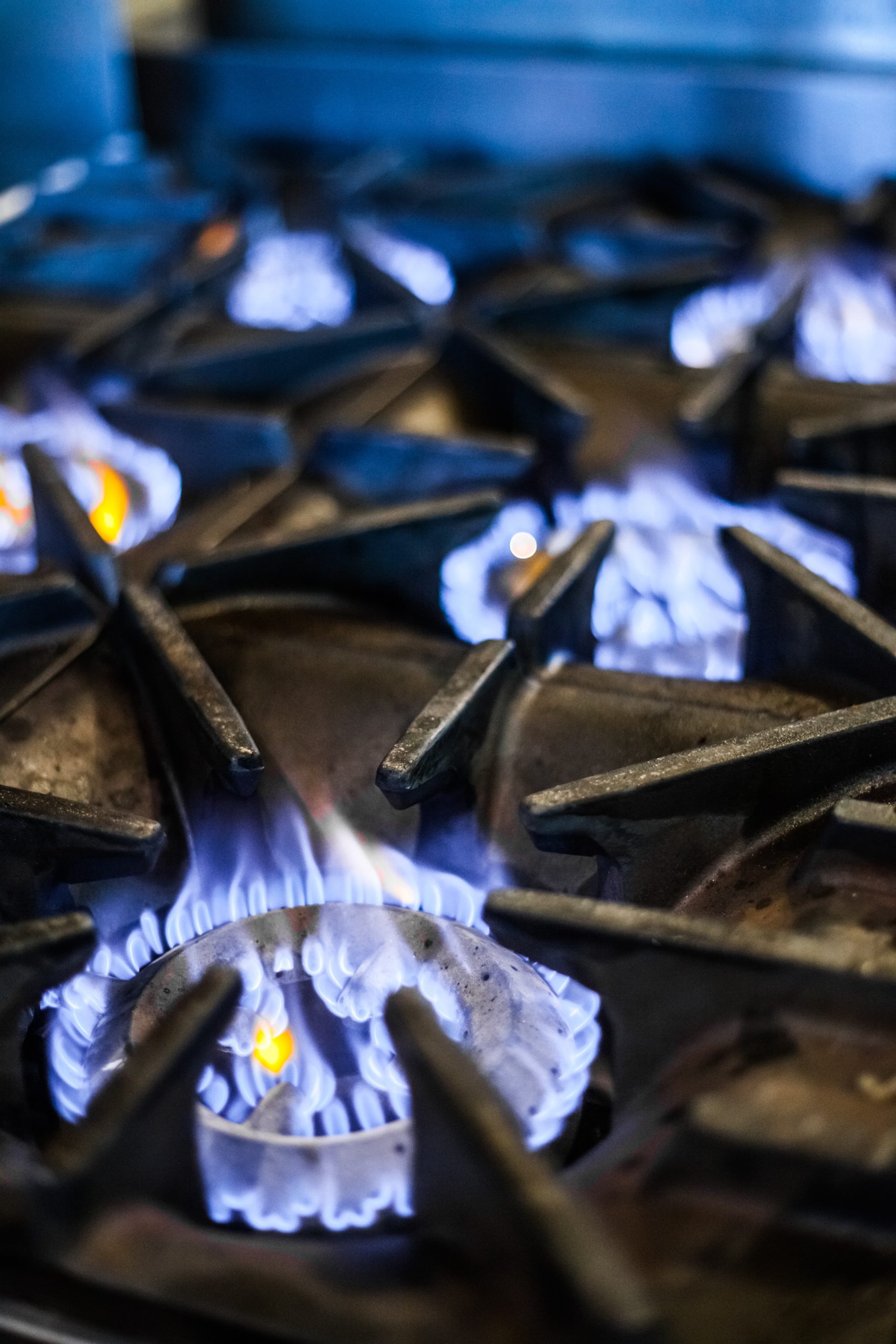
As part of their legal obligations, landlords must have their property inspected for gas safety by a registered engineering firm and obtain an CP12 or Landlord Certificate. This document will prove that the appliances and flues in a house are safe to use and can help prevent carbon-monoxide poisoning.
To get a CP12 application, you must complete the required forms and pay the fee either online or over the phone. A local assessor will then contact you within two days to verify your details and arrange an appointment for the inspection.
The landlord must give tenants an original copy of the gas safety certificate no later than 48 hours after the inspection. The document must be kept by the tenant as well. A gas safety certificate will help you save money on repairs as well as speed up your insurance claims.
Gas Safe Certificates are an essential tool for all landlords, but especially those with multiple properties. It will allow them to find problems and fix them before they become a major issue. It will also decrease the chance of carbon monoxide poisoning which is a silent killer and often goes unnoticed because it is not odorless or colorless.
A CP12 Gas Safety Certificate is a typical document in black and yellow that provides all the information of the gas inspection. It contains the date, name of the engineer, and Gas Safe registration number. The document will include the appliances that were tested, and the engineer will note any issues or concerns faced. If a device is deemed unsafe, the engineer will write on the CP12 that it should be disconnected immediately.